Style: The Silent Introduction
Style · by Andry · June 14, 2026 · 5 min read
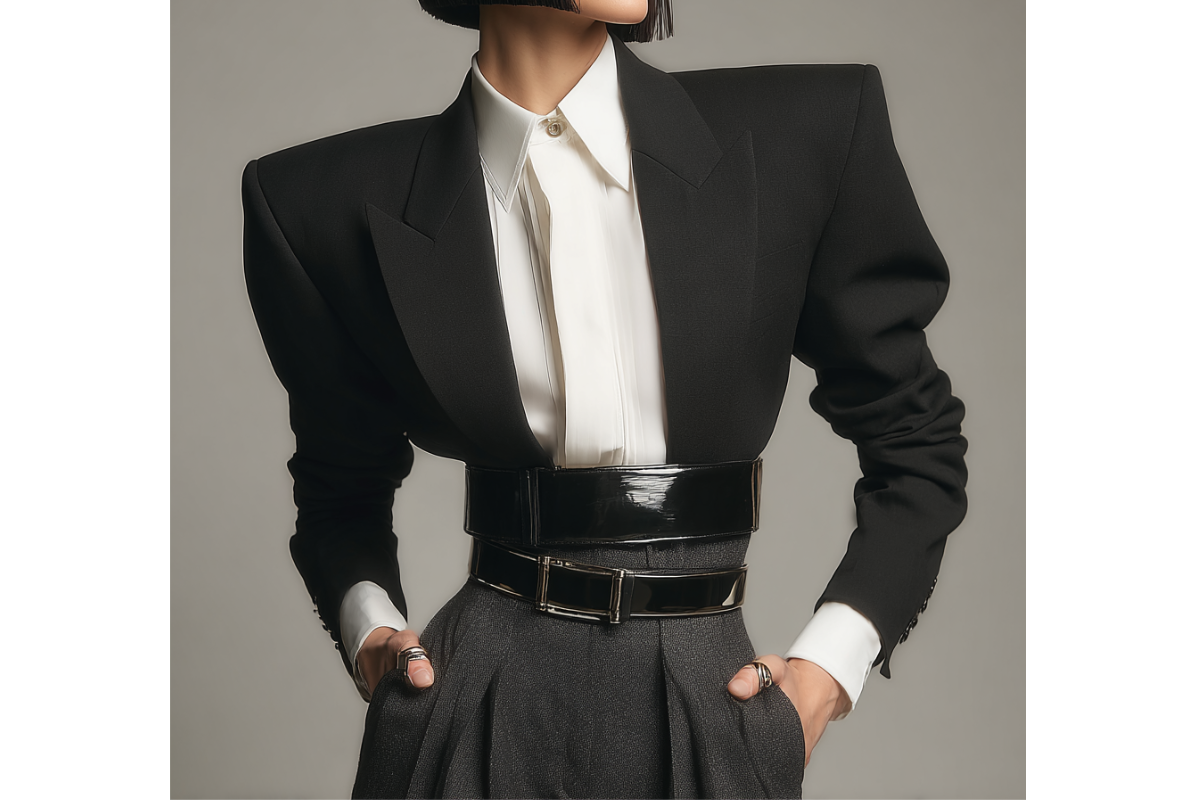
Style is a word with a broad and layered meaning. According to the Merriam-Webster Dictionary, style can be defined in many ways:
- a particular manner or technique by which something is done, created, or performed;
- a distinctive manner of expression;
- a custom of behaving or conducting oneself;
- or a distinctive quality, form, or type of something.
I often describe style as a PowerPoint presentation about yourself. Wherever you go, people form a first impression based on what they see. The details they notice,the clothing, the posture, the grooming, the expression are like slides in a presentation. With each observation, they learn a little more about you before a single word is spoken.
Yet there is another perspective. The familiar expression, “Clothes don’t make the person,” challenges the importance we often place on appearance. It suggests that what we wear does not determine who we are and that our character exists independently of our outward presentation. This contradiction has always fascinated me. Is our appearance truly separate from who we are? Or is the way we present ourselves a reflection of our identity?
Style extends far beyond clothing. It is present in the way we speak, the way we decorate our homes, the music we listen to, and the way we move through life. Everything we do carries a signature. Everything has style. Today, style and appearance have evolved into a silent form of communication. Long before we introduce ourselves, we send messages through the way we look — communicating how we wish to be perceived, how we want to belong, stand out, impress, rebel, or protect ourselves.
At times, this silent communication goes even deeper. Style can become a cry for attention, a request to be seen, understood, admired, or accepted. It can reveal what we are proud of, but it can also expose what we try hardest to hide. In a curious paradox, the things we wish to conceal often become the very things we draw attention to. Our insecurities, ambitions, desires, and aspirations can all find expression through the choices we make about how we present ourselves to the world.
That is why I believe style is not simply what you wear — it is what you are.
Your appearance tells a story. Your expression leaves an impression. And your style, whether carefully curated or completely effortless, becomes the visual language through which the world first meets you.
The silent introduction begins long before the conversation does.